The horizontal property regime: definition and relevance
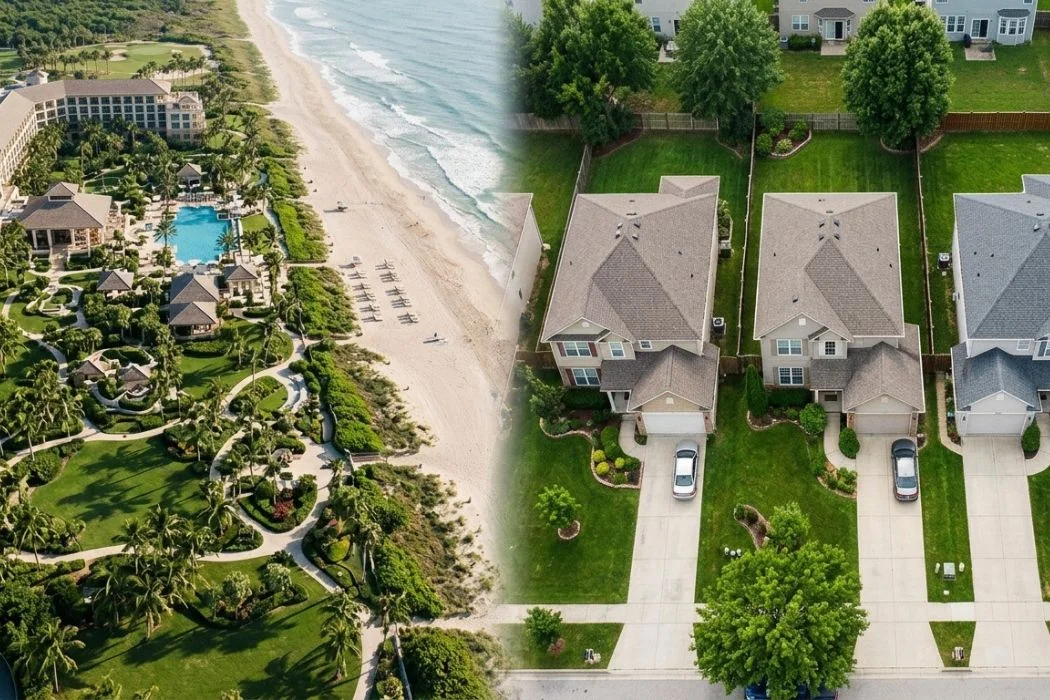
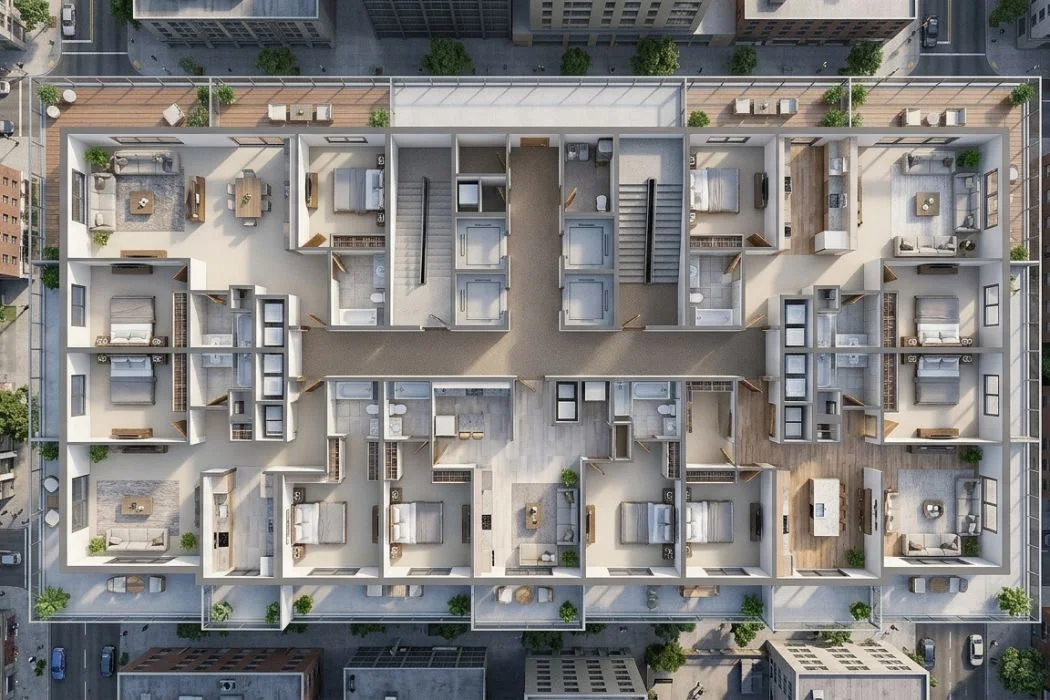
When buying an apartment or a condo, the buyer becomes part of a horizontal property regime. In other words, the buyer is the sole owner of his/her unit, yet he/she shares responsibility when it comes to the common elements and spaces (social areas, elevators, roofs, driveways, etc.).
This comes with perks but also poses some drawbacks, especially when it comes to freedom of choice and financial commitment.
When it comes to horizontal property, Panama works like most countries. Each building based on horizontal property has a Homeowners Association (better known as HOA) which regulates what happens in the building, from pet policies to what colors the facades should be painted with.
Why the topic of horizontal ownership should matter when considering Panama for your next real estate purchase
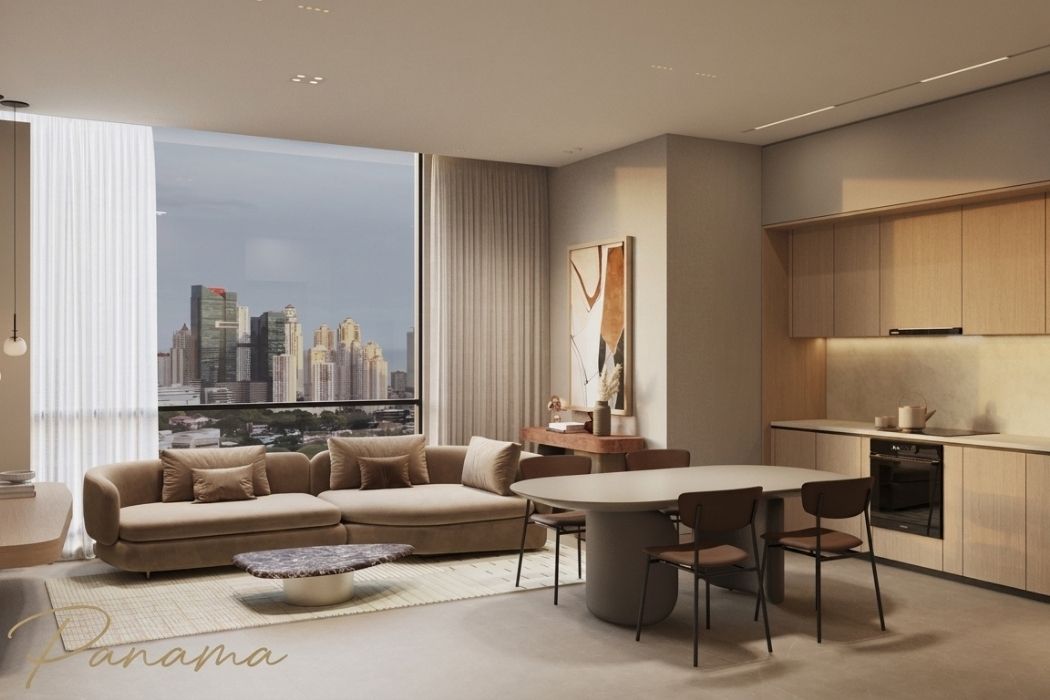
Readers interested in Panama real estate tend to choose apartments or condos over houses. The reason is that they look for options that combine quality, exclusivity, and rental potential while providing access to a high standard of living. In the past decade, Panama has been the setting for several projects that offer this unique combination and that are built and developed by some of the best players in the industry.
Why investors in Panama choose modern complexes:
- Access to state-of-the-art apartments with luxury finishes
- Most developments are oriented towards modern living, a balanced and healthy lifestyle, comfort, and community
- Apartments in Panama are considerably less expensive than those of similar quality found in New York, Miami, or London
- Elegant and well-equipped common areas help build a sense of community, especially appealing to expats who may have left their friends and family back in their home countries
- High towers give a unique advantage over houses, displaying fancy rooftop areas with bars, infinity pools, BBQ areas, and panoramic views
- Some of the projects come with a short-term rental license and/or a rental management service provider, simplifying things for those who want to rent out their properties
How a building is incorporated into the horizontal property regime
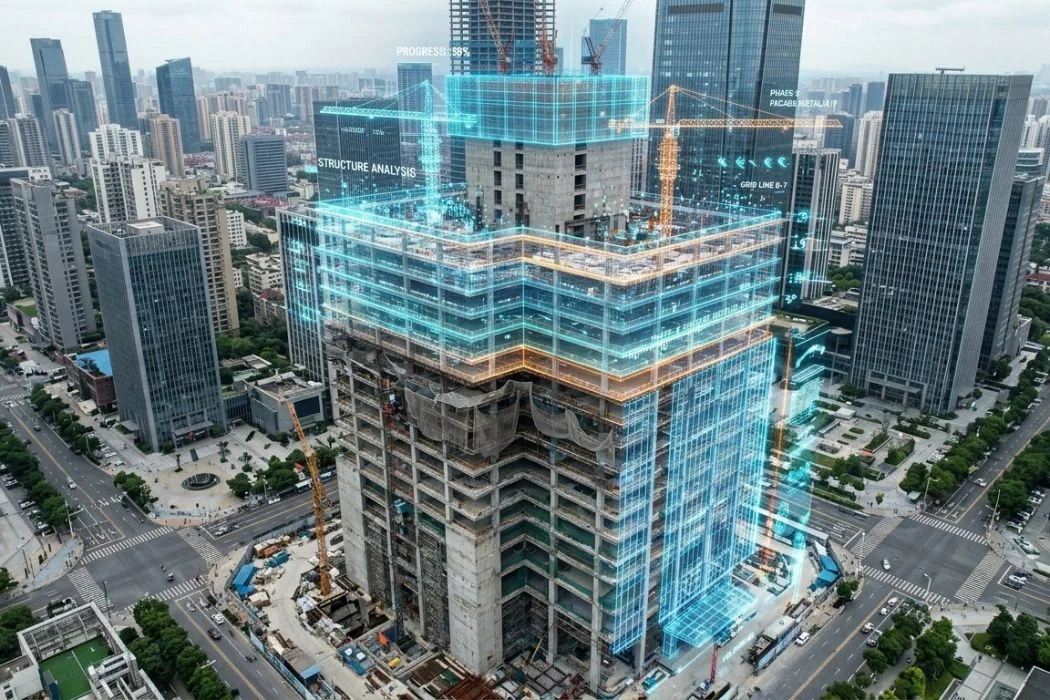
Constituting horizontal property is not an automatic process. The developer must meet certain conditions and obtain approval. Requirements depend on the jurisdiction, but in general they include submitting architectural plans stamped by professionals, proof of owning the land, and proof of having the corresponding building permits.
In some areas, developers in Panama might need an authorization from MIAmbiente (Ministerio de Ambiente), the government’s department responsible for administering, protecting, and restoring the country’s natural resources.
A simple way to detect a building under horizontal property (propiedad horizontal) is by its name. Many include the letters “PH” (PH Plaza, PH Oceano Residences), nevertheless, this is not mandatory. Therefore, even properties without this addition can have horizontal regimes.
Loading this post connects to Instagram. Instagram may use cookies and process your data.
Open on InstagramPrivate units, common elements and limitations
Restrictions in the apartment
Owners acquiring a unit in PHs have to follow the rules applying to the common elements but also to their own apartments. The extent of these rules depends on the building's regulations and the decisions of the HOA. It’s impossible to state a unique set of rules, so this article focuses on what can be found on a general basis.
All repairs and maintenance inside the units are the owner’s responsibility, and addressing them is not necessarily mandatory. If the paint is peeling, the owner may choose not to fix it, but if a leak is causing humidity in the lower-floor apartment, the owner must face all expenses.
Conditions applied to a unit might not be restricted to repairs, but also to remodeling, decoration, and gardening, a fact that limits the owner’s freedom on their own property.
Rules may require that certain inner structures remain untouched (like structural beams, dividing walls, or floor materials) or that the external elements have a specific color palette.
Restrictions in common areas
Common elements and spaces are always governed by the HOA, for obvious reasons. Maintaining these areas is a responsibility that all owners share equally. In simple words, this means that they share expenses, decision-making, budget allocation, and usage rules.
Some of the common areas that fall under this shared ownership/management can be:
- Land and subsoil
- Foundations
- Columns
- Beams
- Main slabs
- Outer façade and exterior walls
- Roofs and terraces
- Lobbies and halls
- Staircases and stairwells
- Hallways and corridors
- Elevators
- Ramps
- Driveways and parking access
- Garbage storage spaces and recycling areas
- Gardens and courtyards
- Swimming pools
- Gyms, saunas, fitness rooms
- Community-oriented rooms (cinema, game room, coworking spaces, event rooms, BBQ areas)
- Kids’ playgrounds
Homeowners Association: a key element of the horizontal property concept
Homeowners association: what is it
The concept of the homeowner association is almost self-explanatory. Any joint ownership must be administered and governed, and this is precisely the HOA’s role.
Maybe the most important fact about this association is that it’s a legally incorporated organization. It governs the housing community through a set of rules and sets in motion procedures to impose those rules and enforce penalties if not followed.
Another important note is that HOAs are not only present in buildings but also in gated communities or neighborhoods. In short, these organizations are in charge of maintenance, managing shared spaces, collecting dues, and establishing rules.
Ordinary and extraordinary assemblies
Members meet at least once a year in what they call an ordinary assembly. The said assembly is usually held before the end of the year to discuss the yearly balance, assess performance, and approve the budget for the following period.
Urgent matters will arise throughout the year. For this, they have extraordinary assemblies, which can be held any number of times and at any time of the year. At the extraordinary assemblies, members discuss matters that must be addressed urgently, like repairs. Extraordinary assemblies are also held for other reasons, like voting on decisions that must be made, approving extraordinary budgets, or removing/ changing members or administrators.
In general, to have voting rights, members must be up to date with their payments; otherwise, they have the right to speak but not to vote.
Pros and cons of HOAs
There is no way a large apartment complex can run smoothly without an established organization. HOAs are, indeed, necessary; nevertheless, they have drawbacks.
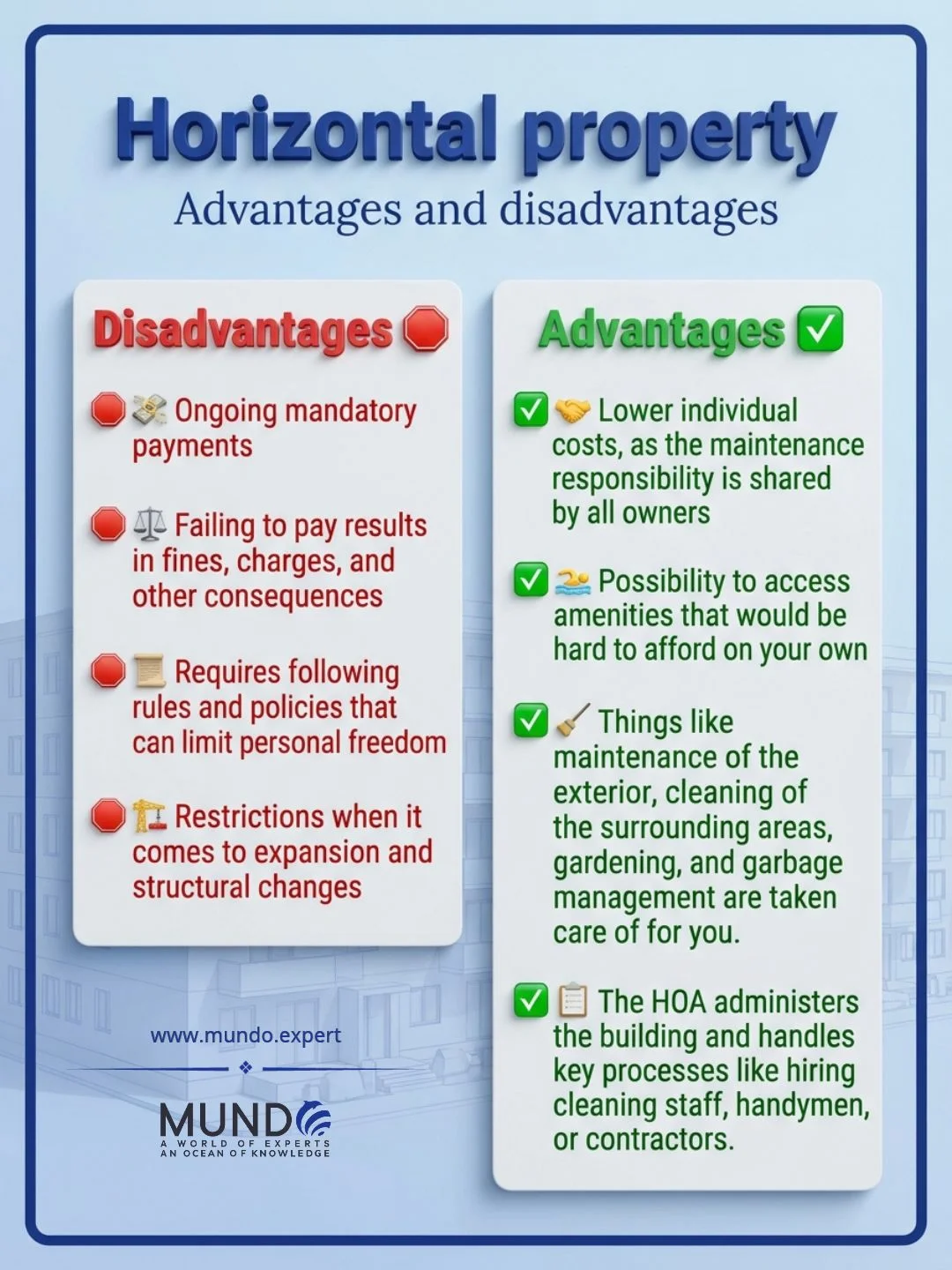
One of them is excessive control and the limitation on owners’ freedom. There might be limitations as to how and when to have social gatherings, what color the window blinds are, and the presence of pets. Even if pets are allowed, some associations can establish a specific size.
If the unit is to be used as a family residence, this might become annoying after 10 or 15 years of having the same colors of blinds and the same type of landscaping across the front yard.
Horizontal property also entails a fixed payment; hence, it increases monthly expenses. Here, an important point must be made: Even though buyers outside of the PH regime still need to pay for their property’s maintenance, they can choose when to do it.
Regular owners also must paint the exteriors, trim the garden, and clean the hallways. The HOA is of great help because, for a fixed payment, they take care of everything. On the other hand, they represent a monthly financial obligation.
If the person ever falls behind on payments, they will face fines and restrictions. In some countries, the HOA even has the power to initiate foreclosure of the property due to lack of payment.
Horizontal property: Panama real estate landscape
Currently, the best real estate options available in Panama are apartments and condos. The fact that they're being built in state-of-the-art complexes makes them ideal for leading a modern way of life, enjoying relevant amenities (like a gym, a sauna, or a pool), and settling in the most coveted locations.
Regarding location, projects are rising in various settings, catering to different needs and considering different preferences. Some may want to be right in the heart of the city, others in a quiet beach town, and others in a gated community with quick access to downtown. With that in mind, we’ve put together a summary of our most recommended projects by location.
Top projects in Mundo’s portfolio by category: Location
City center
Armonia
As its name indicates, Armonia was conceived to convey a sensation of balance and harmony. Residents and guests will have everything they need inside the building: coworking spaces for business or professional activities, a gym for staying fit, a paddle court for the most active ones, a cinema and several barbecue spots. Another major advantage is its location in the heart of the city on Avenida Balboa. This is the avenue that runs along the Panama Bay, just across the street from the lovely Cinta Costera, offering straight access to dreamy views.
Mantra
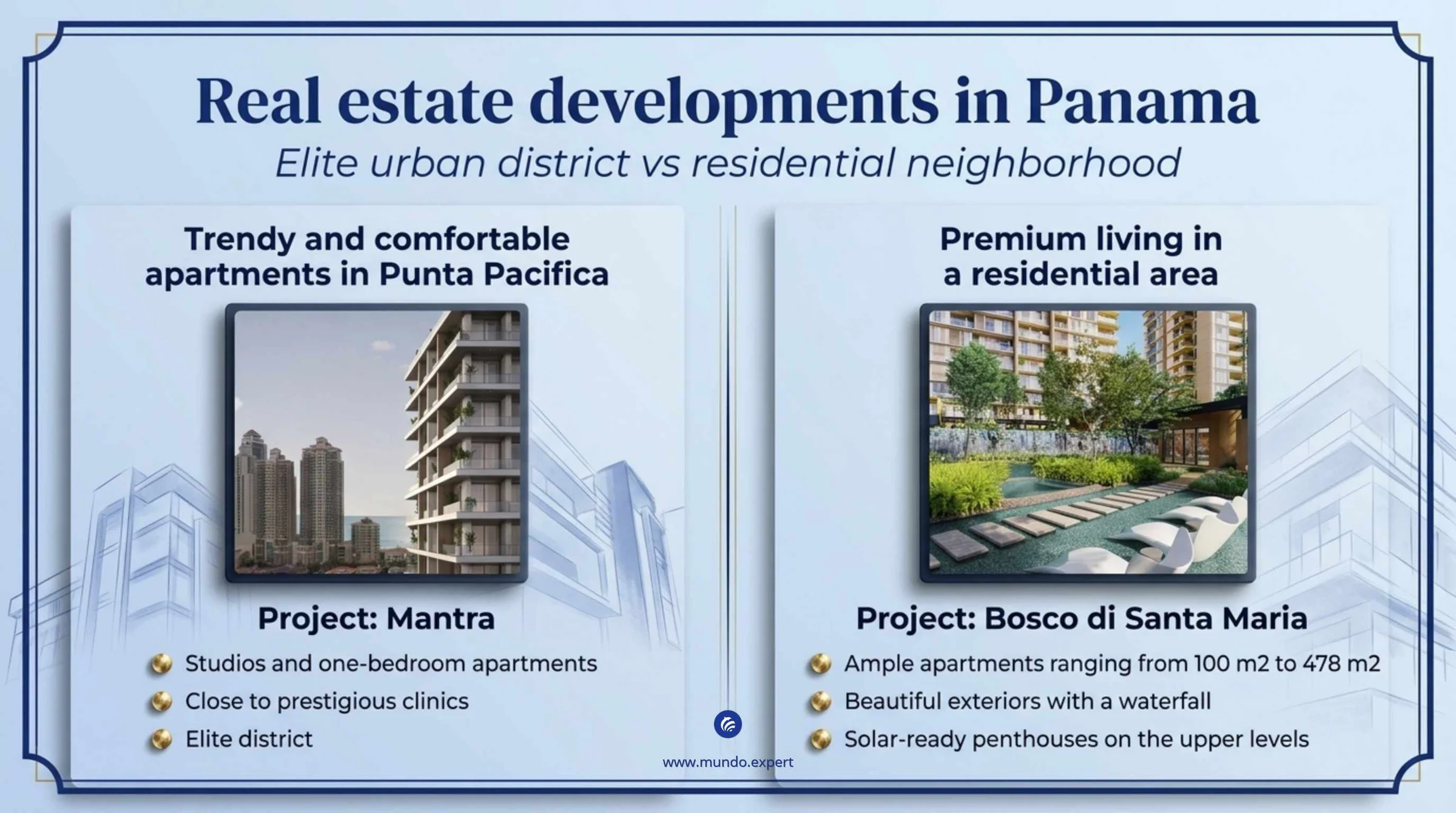
Mantra is also located in a central district but with less commercial activity. Despite its residential nature, the neighborhood, Punta Pacifica, is filled with elegant skyscrapers that shape Panama City’s characteristic waistline.
Apartments can be used at the buyer’s discretion; however, the short-term rental potential is huge thanks to the building’s layouts (studios and one-bedroom apartments). Moreover, the district's proximity to key city spots and to relevant medical facilities makes it ideal for medical tourism.
Residential neighborhoods
Bosco
Bosco di Santa Maria belongs to the premium real estate niche. One of the advantages of buying within this niche is that it has a larger appreciation potential.
From a personal perspective, Bosco is an opportunity to live under the highest standards, with concierge services and a medical doctor on-site available for residents.
The surroundings are hard to match. It will have a private park, stunning landscaping, and nice walking areas, with even a waterfall. As for the apartments, they are designed with style and comfort in mind. Some units have one-meter-deep pools on the balcony, others have views of the forest, and on the highest floors, there will be condos with panoramic views and solar-ready features.
Albor
Those who have been reading our publication for the past few months probably know about Santa Maria Residences. Now with a new name (Albor), the project still offers a unique opportunity because its price range is below what you usually find in that neighborhood. Construction started on September 22nd, which means buyers still have the chance to enter during the early stages of development, a short window in which the final price is lower and the appreciation potential is larger. Albor is expected to be ready by 2028.
Beach
Westin Residences
One of the finest beachfront projects today is being developed in Playa Bonita. It stands out from other beachfront initiatives thanks to its proximity to the city (a 20-minute drive), and its status as a branded project.
Under the branded residences concept, in which a residence complex is built under the standards of a reputable hospitality brand (Marriott, in this case), this initiative holds huge short-term rental potential. In the past decades, statistics have shown that the vacation rental market is becoming one of the pillars of the whole accommodation industry.
Disclaimer: All information in this article might be inaccurate or outdated at the time of reading. The article aims to provide general information about the projects and horizontal property in Panama. Thus, this article doesn't constitute legal advice. Before buying property in Panama, each investor must conduct all the necessary research and consult with certified professionals.
About Mundo: how we work and what we do
When it comes to real estate in Panama, we can help fulfill a very clear objective: we can assist you in choosing and buying the most suitable property. Buying through us is an advantage because we have close connections with the best developers, and we are master brokers for projects of a prestigious development firm.
In Panama, acquiring real estate opens the door to legal residency through several programs, which are available for different applicants depending on their eligibility. Even if residency is not the main goal, it can be a great complement for those who see Panama as a real estate investment hub.
For those who see it as a relocation destination, then the answer is quite clear: the optimal solution is to combine real estate with residency.
Contact our experts or browse through our site to find out about the minimum investment thresholds and how much you need to invest to obtain permanent or temporary residency. Click the button below and get in touch: take the first step and start realizing your objectives related to Panama.
Choose your ideal home in Panama
Contact our experts and find out all the details about the projects, so that you can find the investment that best adapts to your needs.
Frequently asked questions
What is horizontal property in Panama?
Horizontal property in Panama works like in most countries. It’s a common type of ownership in buildings and complexes where there are many owners. Each owner is solely responsible for their apartment, and they share responsibility, expenses, and decision-making rights over the common spaces (social areas, corridors, exteriors, driveways, and so on).
Can a homeowner’s association in Panama stop me from renting out my apartment?
Yes, it can, depending on the building rules. When owning a unit in a horizontal property framework, the owner is bound to the building rules which are dictated, regulated, and enforced by the homeowners association. When owning property outside the PH regime, the landlord may still be subject to zoning codes or licensing requirements.
Can I obtain residency in Panama by buying a unit in a horizontal property framework?
Yes. Several residency programs in Panama contemplate real estate within their options. The most convenient program, in Mundo’s view, is Qualified Investor, which grants approved applicants permanent residency with a minimum investment of USD 300,000 in a new real estate property.
Where can I find the best real estate developments in Panama today?
The simple answer is all across the country. Today, investors can find outstanding projects in Panama City, beach towns, gated communities, and even in the Chiriquí Highlands, where the elevation is higher and the weather is cooler than on the coast. All of the projects meet the highest standards, so choosing one location over another depends entirely on the buyer’s preferences.