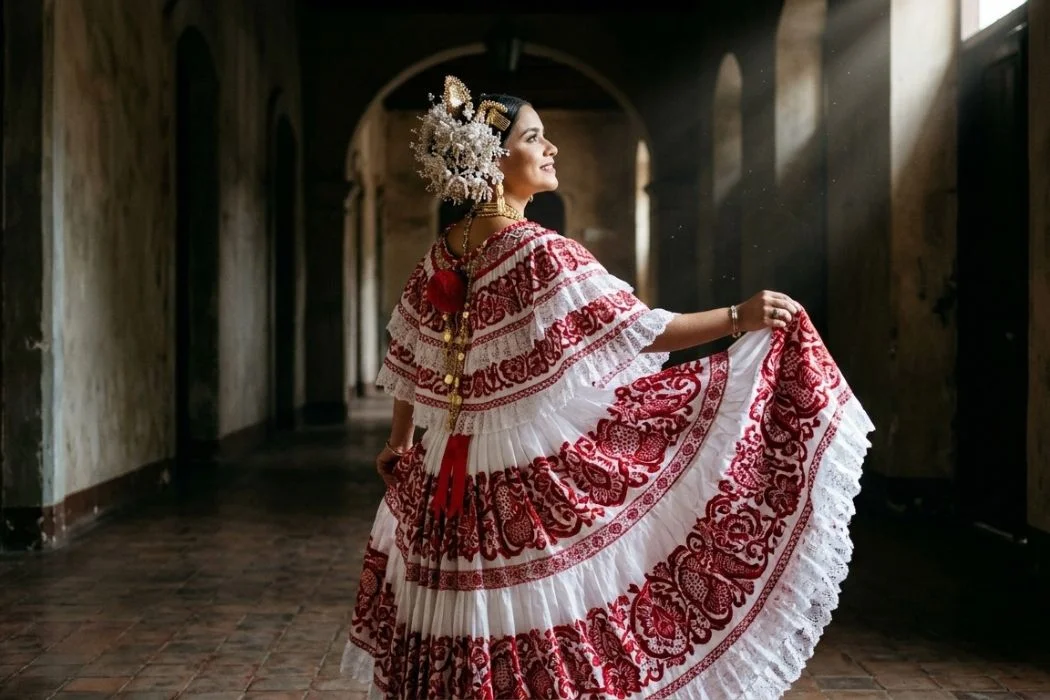
During November, we can't help but dedicate a piece to Panama's National Holidays. Picturesque celebrations in Panama City and the provinces unite the country and everyone who lives there, including expats.
Panama’s national holidays are coincidentally celebrated in November since several relevant historic events occurred during this month. For those who live in Panama, this constitutes a great chance to take a few days off, to travel around the isthmus, and to know its culture more in depth.
Here is a brief guide for those new to Panama, or for foreigners considering it as a potential place to relocate in the near future.
A celebration that lasts a whole month: Panama commemorates its key historic milestones with polleras and tamboras
While most countries observe national holidays throughout the year, Panama has them concentrated in one month. This is partly out of coincidence and partly because the dates are connected. The cry of independence in La Villa de Los Santos, on November 10th, 1821, was the triggering event that made the declaration of independence possible 18 days later.
The fact is that, with the official holidays and long weekends combined, sometimes there are several non-working days in a row, ideal for a short vacation or a long getaway.
National commemorations in Panama: what do we celebrate each day?
November 3rd - Independence from Colombia: It commemorates the day on which Panama separated from Colombia.
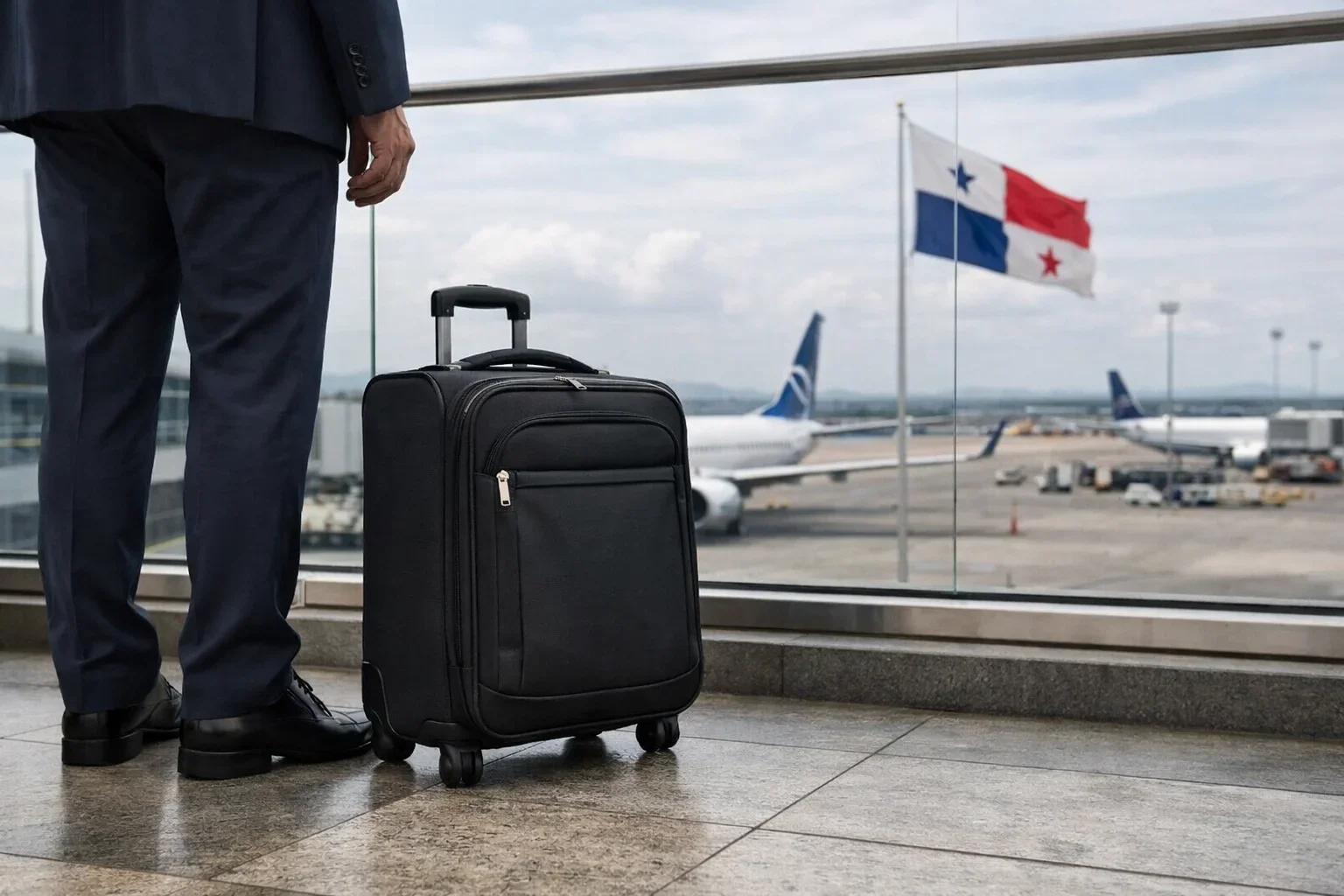
November 4th- Patriotic Symbols Day: The country honors its patriotic symbols like the flag, the coat of arms, and the national anthem.
November 5th – Separation of Colón: this is the day when Panama was consolidated as a sovereign independent nation, when the patriots in the city of Colón persuaded the last remaining Colombian troops to retreat peacefully.
November 10th – First cry of independence in La Villa de los Santos: it commemorates the uprising in La Villa de los Santos, which inspired the revolutionary movement that eventually led to the declaration of independence from the Spanish crown.
November 28th – Independence from Spain: It commemorates the independence of Panama from Spain.
Best places for expats and Panamanians to spend the non-working days this November
Panama City: Cinta Costera, Casco Antiguo, and Via España
The country's capital is one of the best places to watch the November parades. Each year, they follow a specific route, always through emblematic city landmarks and across the city center. The two most recent parades took place early in November, starting at strategic points: Casco Antiguo and the Iglesia del Carmen, Via España. Thus, people were able to approach at different points to watch and enjoy.
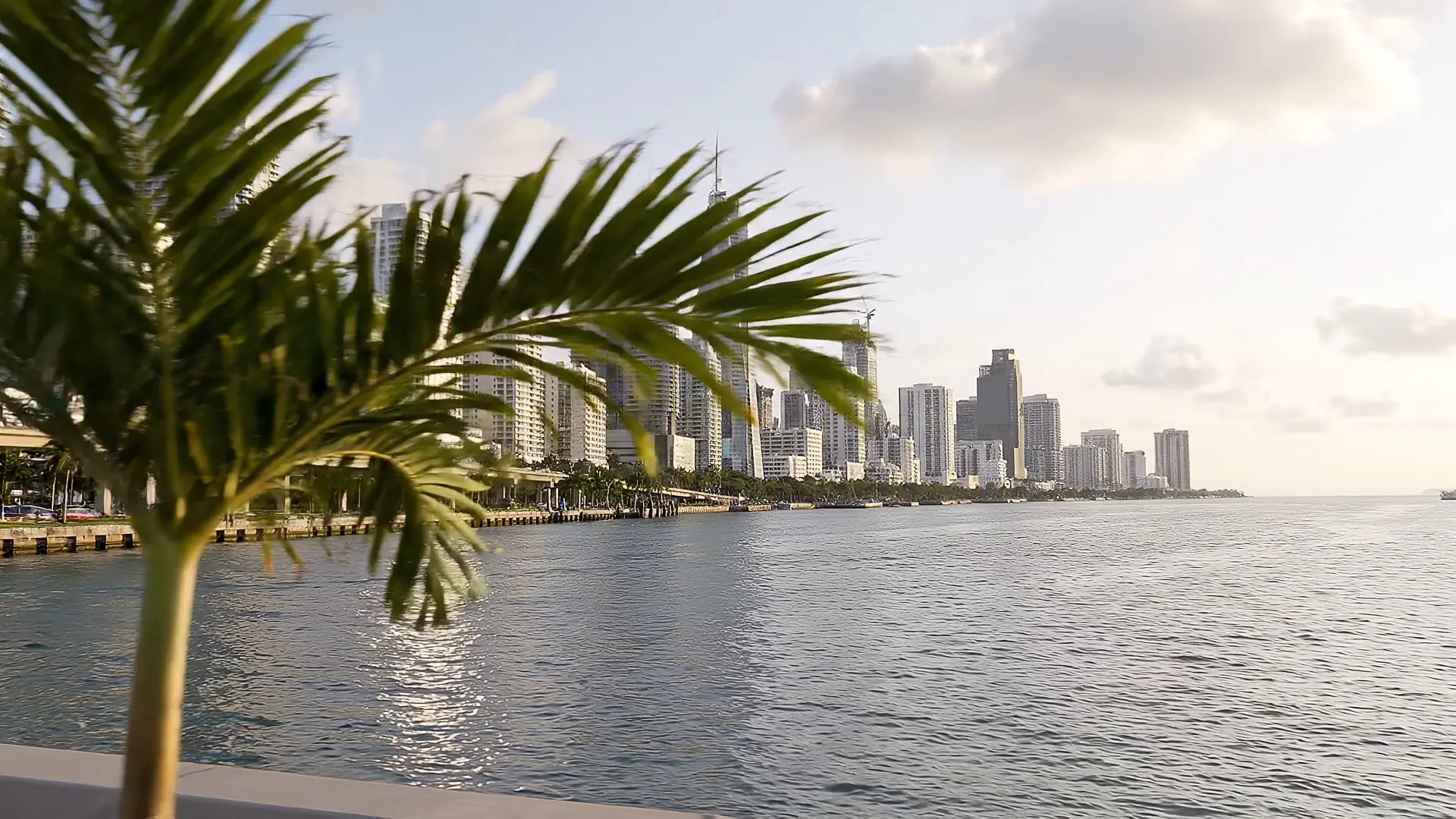
One of the routes follows Avenida Balboa, which is right by the Cinta Costera, the lovely coastal walk along the Panama Bay.
Some schools organize their own parades and, since they have them on regular school days, they are a great excuse to relish the patriotic spirit outside the strict national holiday dates. This is also a nice opportunity to witness how the youngest people in Panama connect with their customs and icons since early childhood.
Las Tablas and Chitre
Panama's capital is undeniably beautiful, and it certainly conveys a feeling of tradition and respect for local culture. Yet it doesn’t even compare with what goes on in places like Las Tablas and Chitre. In general, cities and towns in rural areas (that is, away from the capital) are more connected to their roots and folklore, and this is what makes them stand out.
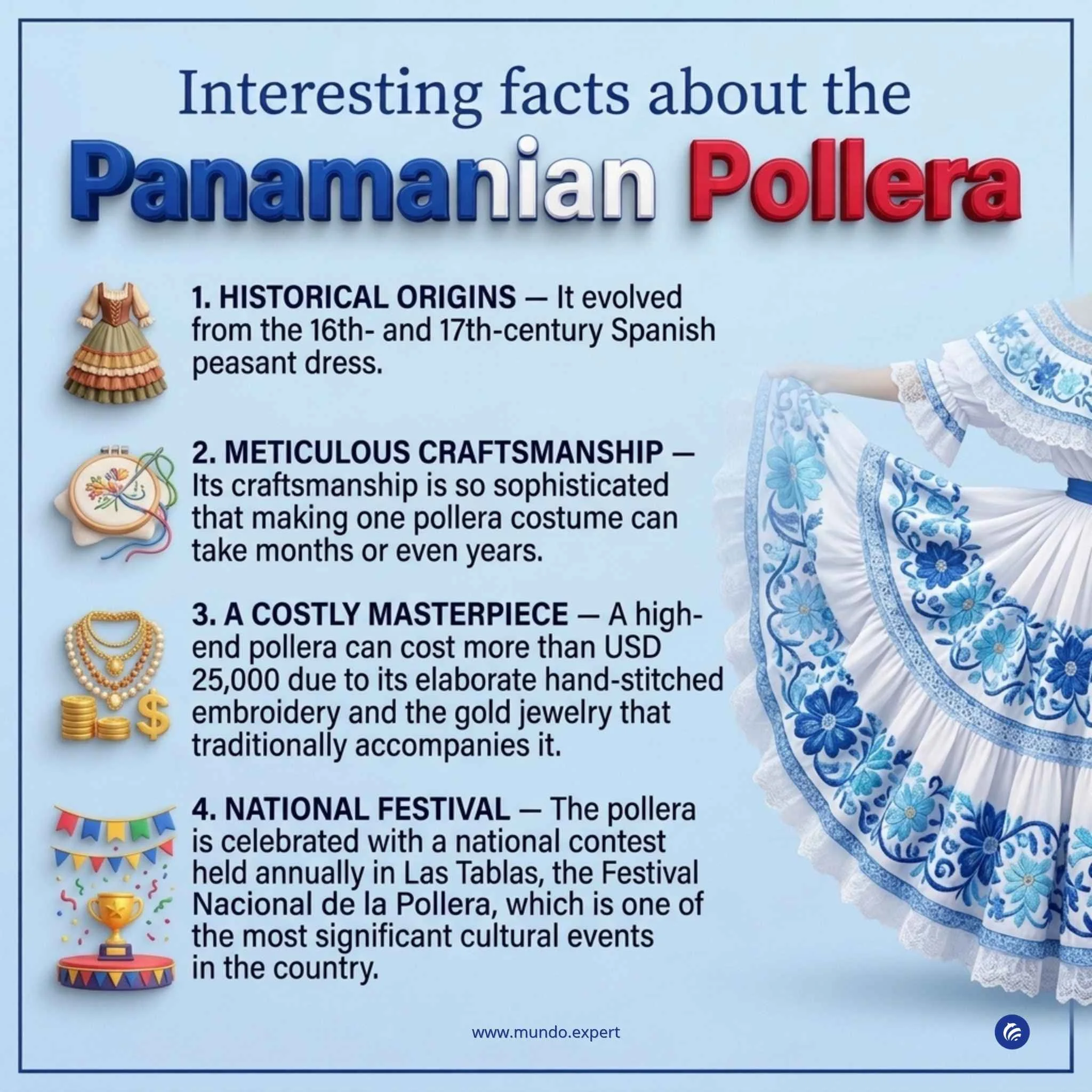
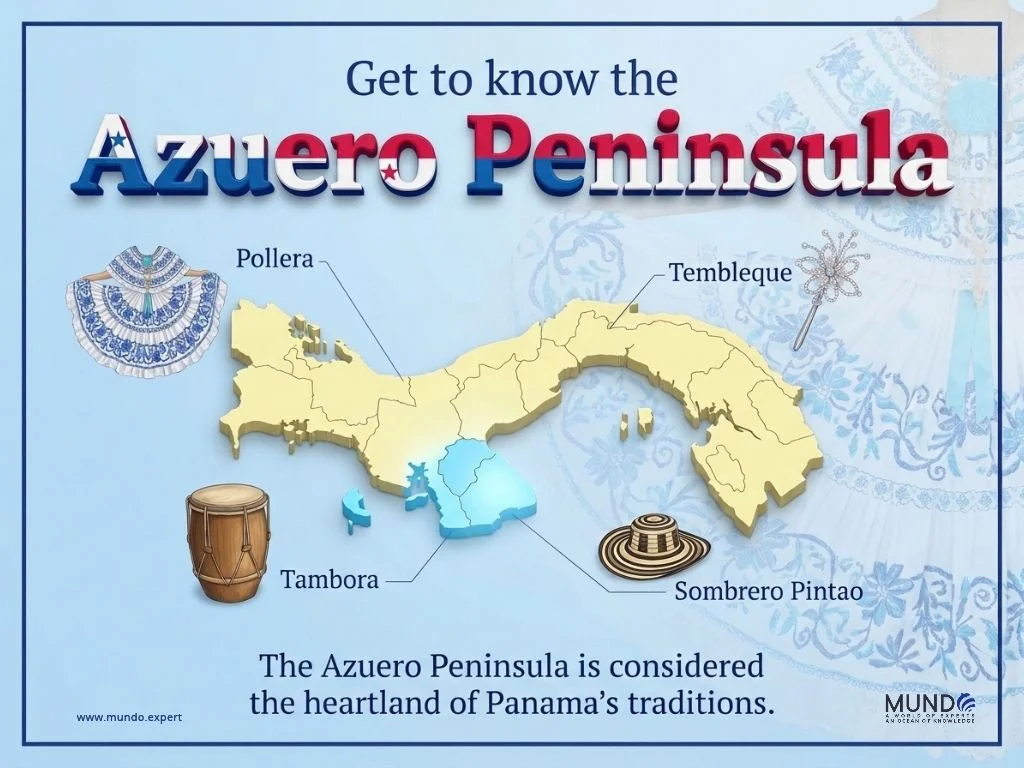
The Azuero Peninsula is known as the cradle of the Panamanian pollera, a women’s traditional costume which largely symbolizes Panama’s heritage.
The pollera in itself is an exquisite outfit traditionally worn by the queen of the parade, which flaunts the most impressive versions of it. However, other versions of the pollera can be seen on many women around the country.
The dress is composed of a blouse and a skirt featuring delicate hand-made embroidery across its flounces. Profuse golden jewelry like necklaces and bracelets adds a touch of luxury and sophistication while also making a status statement. Finally, the tembleque embellishes the queen’s hair, consisting of a highly complex ornament made of colorful beads forming patterns and shapes.
The outfit and the style are extremely elaborate and flamboyant, partly because they are prepared for contests and competitions in events like El Festival Nacional de la Pollera.
Everything is better with music
Traditional parades are accompanied by groups of musicians playing traditional music. Over time, these bands have incorporated rhythms and instruments from other cultures, so they can include percussion instruments like snare drums and bass drums, and brass instruments like trumpets and trombones.
Nevertheless, the traditional composition consists of an accordion, a churuca (a friction percussion instrument made from a dry gourd), and the tambora, which is made of hollowed-out native wood. Its drumhead is made of animal skin, and it looks like the conga drum.
Away from the noisy crowds
Other expats may prefer a quiet vacation to enjoy this brief but well-deserved break, especially those who have been living in Panama for several years and have already experienced plenty of national parades. These are some of the alternatives:
San Blas (Guna Yala): San Blas is an archipelago in the Caribbean Sea and a Panamanian territory administered by the Guna, a native people who fought hard to maintain their rights on their land. Thus, they reached an agreement with the Panamanian government under which they control the archipelago. Thanks to this, the islands keep a unique charm, being largely undeveloped and maintaining their rustic essence. This makes it one of the best alternatives for those who want to spend the national holidays in solitude and contemplation.
Bocas del Toro: Bocas del Toro is another archipelago in the Caribbean where expats go when they want more diverse experiences. Here they can find everything from tropical forests, pristine beaches, quaint towns, and colorful reefs to cozy hotels and luxury resorts.
Valle de Anton (Coclé): Expats who practice hiking and don't want to move too far away from the capital can reach Valle de Anton in approximately 2 hours by car. In the province of Coclé thrives this mountain town, in the caldera of an inactive volcano. Its elevation and peculiar geographical position make it cooler than the coast, and the hilly ground makes it ideal for trekking and hiking.
Boquete (Chriqui): Boquete is another dreamy paradise for expats who prefer ample green hills, higher elevations, and lower temperatures. But unlike Valle de Anton, Boquete is quite far from Panama City, in the province of Chiriquí, bordering Costa Rica. Traveling to Boquete during the national holidays is better by airplane because it shortens the trip to two hours. For this reason, Boquete is a good alternative for one-week or two-week vacations, and not weekend getaways.
Mundo: who we are and why we talk about Panama
At Mundo, we speak proudly of Panama because we have a close connection to the country. Several of our team members are based in Panama, including our CEO, and we have an office in Calle 50, Panama City.
A close connection to Panama, both in knowledge and practice, gives us the right perspective to assist clients in reaching their goals in the country of the canal. We specialize in Panama residency, real estate, banking, and corporate services, and we can also assist with registering a foundation.
If you're interested in Panama, don't hesitate to contact us and send us your inquiries. The team will gladly clear up your doubts, answer your questions, and help you set out your strategy.
Residency and real estate as your Panama base
Panama can be a safe expat base for your family and a fertile business ground where to invest and conduct business.
Frequently asked questions
When are the national holidays in Panama?
The national holidays in Panama are celebrated throughout November, specifically on November 3rd, 4th, 5th, 10th, and 28th. All dates commemorate important historical milestones related to the country's independence and consolidation as an autonomous nation.
What are the best places to spend the national holidays in Panama?
The best places to spend national holidays in Panama, for a true cultural experience, are Las Tablas and Chitre, in the Azuero Peninsula. This region maintains a close connection to traditions, and hence it hosts the best parades, costumes, and traditional bands.
Where can I spend the national holidays if I want a quieter experience?
Expats and visitors can opt for quieter experiences, away from the bustle and the crowds. They can choose secluded Caribbean destinations, like Guna Yala or Bocas del Toro, or mountain towns like Valle de Antón, in Coclé, or Boquete, in Chiriquí.
Where are the best parades in Panama City?
The best parades in Panama City take place in the city center around relevant landmarks and neighborhoods like the Cinta Costera, the Mercado de Mariscos, Casco Viejo, or the Iglesia del Carmen.
What is the most widely known symbol of the Panamanian national holidays?
The Panamanian Pollera is the country’s most distinct national symbol. It’s a traditional outfit that stands out for its exquisite details, exuberance, and sophisticated craftsmanship.